
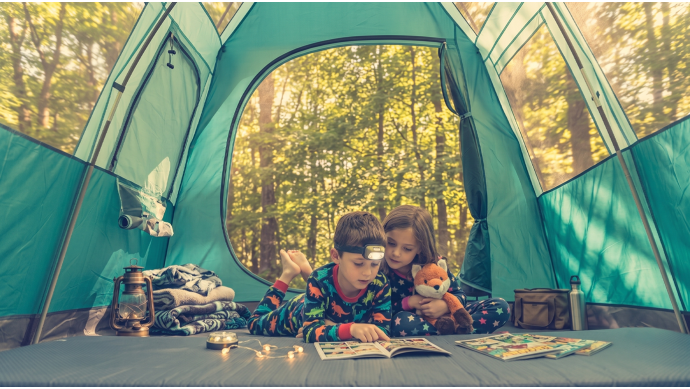
School is out and so are bedtime routines. Some kids can handle disrupted sleep schedules better than others can. Longer stretches of daylight and sweltering heat that carries into the night can impact children's ability to fall asleep. Despite the appeal of "relaxed" bedtimes, kids who don't sleep well become more sensory-sensitive, and some children really struggle with the lack of routine — which is reason enough to stick to the usual.
Consistency Pays Off
Our kids relish the magic of summer as much as we did once, so it matters that we mix summer fun with bedtime routines that maintain optimal sleep times. Parents can promote a healthy secretion of melatonin — the sleep hormone — by helping kids have a regular bedtime and waking time, and by exposing them to morning daylight.
If sleep times get out of whack, adjust summer sleep schedules gradually. It takes approximately two weeks to get back on track, depending on the age of the child. Go for increments of 10 to 15 minutes daily and make sure to adjust not only bedtime but also wake time and mealtimes, which are key to maintaining the circadian rhythm.
Summer Sleep Basics
Dark, cool bedrooms are best for sleep. Use blackout curtains if summer's later sunsets interfere with sleep and, if needed, an unobtrusive nightlight.
Cool can be more difficult as summer heat sets in. Hot nights can increase the risk of fatigue and poor sleep quality, and they make it difficult for children to settle as body temperature needs to stay cool to enable sleep. If air conditioning is not an option, keep the bedroom dark during the day to keep the hot air out. Running a fan with a bucket of ice in front of it or hanging damp bedsheets over an open window can also work.
Create Sleepiness
Getting kids outside to play can help to build tiredness. A cool bath or shower, putting away screens at least one hour before bedtime, dimming lights, and reading together can all help prepare for sleep. Cooling body temperatures approaching bedtime coincides with an increase in melatonin, which also helps with falling asleep.
Balancing summer magic and good sleep routines may not always be easy, but it's a part of what memories are made of — drifting off to sleep knowing that summer doesn't last forever, and you made the best of it.
Sleep Matters
- Children between five and 13 years old need 9 to 11 hours of uninterrupted sleep per night.
- Those between 14 and 17 years need between 8 and 10 hours.
- Melatonin levels peak in early childhood and decrease as children transition into puberty and adolescence.
By Daniela Ginta, MSc
Disclaimer: This article is intended for informational purposes only and does not constitute medical advice. Always consult a qualified healthcare professional regarding your child's sleep health and before introducing any supplements.