
With days getting shorter and kids back to school, autumn sees us spending more time inside. While we tend to focus on cold and flu prevention from cramped quarters during the fall, we don't give enough attention to the quality of indoor air and its correlation with our health.
Threat No. 1: Mould
Found in: Water-damaged walls, HVAC systems, basements, and poorly cleaned humidifiers.
Impact on immunity: Mould disrupts immune function by dysregulating T and B immune cell activity, increasing baseline inflammation without infection, and breaking down immune tolerance. Mould exposure also disrupts barrier functions in places like the respiratory and digestive tracts, resulting in an inappropriate immune response.
Health consequences: Indoor mould exposure and dampness are associated with an increased risk of developing asthma in young children, and increased asthma morbidity in adults already suffering from the condition. Exposure is associated with rhinitis, sinusitis, and irritable bowel disease. Mould exposure is also associated with the development and exacerbation of allergic and nonallergic chronic inflammatory diseases and autoimmune disorders.
Remedy:
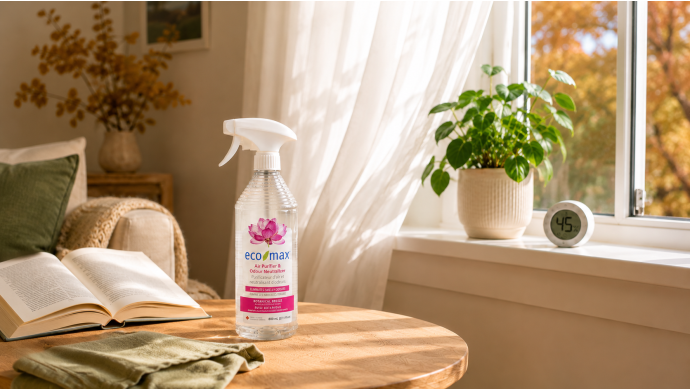
- Keep indoor humidity between 35 and 50 percent, measured by hygrometer.
- Use a dehumidifier in damp areas (basements, bathrooms).
- Clean humidifiers daily or weekly and avoid them unless truly needed.
- Address even minor leaks immediately — behind walls, under sinks, and around windows.
- Consider professional inspection and testing.
Threat No. 2: Nitrogen Dioxide (NO2) and Particulate Matter (PM2.5)
Found in: Gas stoves, fireplaces, heaters, cooking oils, candles, and dust.
Impact on immunity: Gas stoves release nitrogen dioxide (NO2) and fine particulate matter (PM2.5), which damage mucosal immunity, impair natural killer cell activity, increase airway permeability, and raise inflammatory cytokines (IL-6 and TNF-α).
Health consequences: Inhaling particulate matter affects lung function and oxygen saturation, and is associated with an aggravation of symptoms of chronic obstructive pulmonary disease and childhood asthma.
Remedy:
- Always use an exhaust fan or open a window when cooking with gas.
- Swap to electric or induction if renovating.
- Minimize burning candles, incense, and indoor wood-burning stoves.
- Use a HEPA- and activated-carbon air purifier near the kitchen or common areas.
- Vacuum regularly with a HEPA-filtered vacuum.
Threat No. 3: PFAS — Forever Chemicals
Found in: Nonstick cookware, stain-resistant textiles, food packaging, cosmetics, and waterproof gear.
Impact on immunity: These persistent chemicals accumulate in the body and suppress antibody production, interfere with vaccine response, and increase systemic inflammation.
Health consequences: PFAS may affect the nervous system; alter the functioning of the liver, kidney, and thyroid; impact bodyweight and metabolism; and affect reproductive function.
Remedy:
- Replace nonstick pans with stainless steel, ceramic, or cast iron.
- Say no to stain-resistant fabrics (like Scotchgard-treated couches and carpets).
- Avoid fast-food packaging and microwave popcorn.
- Use a reverse osmosis or activated carbon water filter certified to remove PFAS.
By Cassie Irwin, ND
Disclaimer: This article is intended for informational purposes only and does not constitute medical advice. Always consult a qualified healthcare professional before making changes to your supplement routine or if you have concerns about environmental health exposures.