Honey is one of nature's most celebrated natural health remedies — and for good reason. Here's a guide to the types worth knowing and the benefits they bring.
Types of Honey
More than 300 types of honey exist worldwide, each one boasting a unique flavour profile determined by the type of nectar the bees harvest, together with a myriad of health benefits.
Manuka
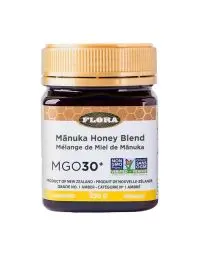
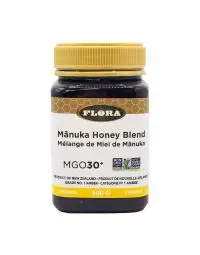
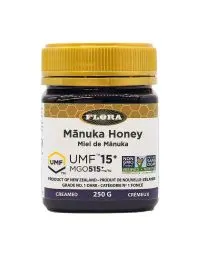
Manuka is widely considered the gold standard of healthy honeys. It's one of few varieties classified as medical grade, thanks to its high levels of methylglyoxal (MGO) — a natural antibacterial compound that helps fight infection and minimize inflammation to boost overall immunity.
Sourced from a flowering shrub native to New Zealand, manuka honey tastes earthy and medicinal. There's even a grading system noted on each bottle for measuring its potency. The higher the number, the more powerful the antibacterial properties — and the larger the price tag.
Buckwheat
If manuka is the gold standard, consider buckwheat honey its Canadian counterpart — just as rich in flavour and nutrients. The dark-hued honey is produced in Ontario, Quebec, Manitoba, and Saskatchewan. It's also a rarer variety: since the buckwheat flower is so tiny, bees must feast on more flowers to collect enough nectar for production. The toffee-like sweetener is packed with antioxidants, with studies claiming it contains even higher levels than that of manuka.
Clover
Clover honey, derived from various species of the clover flower, is the type most commonly lining grocery store shelves. It has a light amber hue and smooth, syrup-like sweetness. Clover honey — especially the raw variety — is also effective at protecting the immune system by warding off harmful bacteria to help fight infection.
Wildflower
Wildflower honey is produced when honeybees pollinate many flower varieties, rather than just one type. It contains plenty of antioxidants, such as flavonoids and phenolic acids, which help lower oxidative stress and support immune function. A study testing 57 types of blossom honey found that wildflower honeys showcased the strongest antibacterial activity.
Propolis
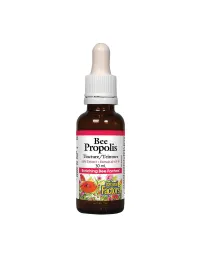
Propolis — also known as "bee glue" — is technically not honey, but it's such a nutritional powerhouse that it deserves the spotlight. Crafted from tree sap, beeswax, and other plant-derived compounds, bees use the sticky substance to seal gaps in their hive and ward off intruders. You'll often find it on shelves in tincture, spray, capsule, or lozenge form.
Propolis contains similar health benefits to honey, but with even stronger antimicrobial activity to fight infections like stubborn colds and sore throats. Unlike honey, propolis is naturally low in sugar.
By Brittany Devenyi
Disclaimer: This article is intended for informational purposes only and does not constitute medical advice. Always consult a qualified healthcare professional before introducing new supplements into your wellness routine.