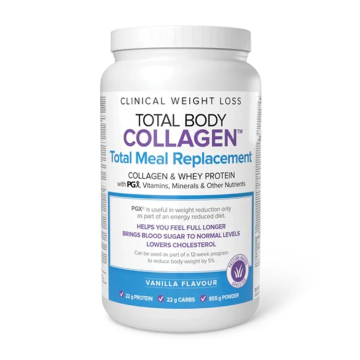
Collagen
Collagen has become one of the most popular supplements on the shelf, and it is easy to see why: it fits neatly into a morning coffee or smoothie and speaks to the everyday goals many shoppers care about. At Greenbrook we carry a wide range of collagen powders and formats, from unflavoured tubs to convenient sachets and capsules.
Read more
Collagen is the body's most abundant structural protein — the scaffolding found in skin, hair, nails, joints, and connective tissue. As a supplement, it is a source of amino acids, the building blocks your body draws on. Collagen products are widely chosen to help support healthy hair, skin and nails and to help support joint health, which is why they appeal to such a broad range of shoppers, from beauty-and-grooming routines to active lifestyles.
You will often see the words "hydrolyzed" and "peptides" on the label, and they are simpler than they sound. Hydrolyzed collagen has been broken down into shorter pieces called peptides, which dissolve easily in liquid and are convenient to take. This is why most collagen you will find is a hydrolyzed powder — it stirs cleanly into hot or cold drinks without clumping.
Format is where collagen really shines for convenience. Unflavoured powders are the most popular by far: they disappear into coffee, tea, smoothies, and even soups without changing the taste, which makes them effortless to keep up daily. Flavoured powders, single-serve sachets for travel, and capsules round out the selection for people who want grab-and-go options. Many shoppers also pair collagen with vitamin C, which helps in the body's own collagen formation. For a lot of our Kitchener customers, a scoop stirred into the morning coffee has quietly become the easiest supplement habit they keep.
When choosing, decide on your source (bovine or marine, both covered below), pick a format that fits your daily habit, and consider an unflavoured powder if you want maximum flexibility. Store collagen in a cool, dry place and keep powders tightly sealed. As with any supplement, speak with your health-care practitioner before adding it to your routine.
Collagen Powder
Collagen powder is the format that made this supplement a daily habit for so many people. Because it is usually hydrolyzed into peptides, it dissolves quickly and cleanly, and unflavoured versions blend into coffee, tea, smoothies, and recipes without changing the flavour. That effortless mixability is exactly why powders are the most-shopped collagen format — you can fold a scoop into something you were already going to drink. It is a source of amino acids and is widely chosen to help support healthy hair, skin and nails and joint health. Flavoured powders and single-serve sachets are handy variations. If you want the most flexible, easy-to-keep-up option, an unflavoured powder is the classic choice.
Why is collagen powder so popular?
It is usually hydrolyzed so it dissolves cleanly, and unflavoured versions blend into coffee, smoothies, and recipes without changing the taste, making it effortless to take every day.
Bovine Collagen
Bovine collagen is sourced from cattle and is the most widely available type on the shelf. It is popular because it supplies the collagen types most associated with skin and joint support, and it tends to be economical and easy to find in large, good-value tubs. As a source of amino acids, it is widely chosen to help support healthy hair, skin and nails and joint health. It usually comes as an unflavoured hydrolyzed powder that blends into any drink. If you want a versatile, budget-friendly everyday collagen and do not follow a fish-only or pescatarian diet, bovine is the most common starting point.
Who chooses bovine collagen?
Shoppers who want a versatile, economical, widely available collagen often pick bovine. It usually comes as an unflavoured hydrolyzed powder and is a common everyday choice for those who do not avoid beef.
Marine Collagen
Marine collagen is sourced from fish, which makes it a favourite among pescatarians and shoppers who prefer not to use beef-derived products. It is often prized for its fine texture and quick mixability, and it supplies the collagen type many people associate with skin routines. As a source of amino acids, it is widely chosen to help support healthy hair, skin and nails. It typically comes as an unflavoured hydrolyzed powder. If your diet excludes beef, or you simply prefer a fish-sourced option, marine collagen is the go-to — just check the label if you have a fish allergy.
Is marine collagen suitable for pescatarians?
Yes — marine collagen is sourced from fish rather than cattle, which makes it a popular choice for pescatarians and anyone who prefers to avoid beef-derived products. Check the label if you have a fish allergy.
Frequently asked questions
What is collagen?
Collagen is the body's most abundant structural protein, found in skin, hair, nails, joints, and connective tissue. As a supplement it is a source of amino acids and is widely chosen to help support healthy hair, skin and nails and joint health.
What does "hydrolyzed" or "peptides" mean?
Hydrolyzed collagen has been broken down into shorter pieces called peptides, which dissolve easily in liquid and are convenient to take. Most collagen powders are hydrolyzed, which is why they stir cleanly into drinks.
Can I add collagen to coffee?
Yes — unflavoured collagen powder dissolves into hot or cold drinks without changing the taste, so coffee, tea, and smoothies are among the most popular ways to take it. That convenience is a big part of its appeal.
What is the difference between bovine and marine collagen?
Bovine collagen comes from cattle, while marine collagen comes from fish and is a favourite among pescatarians and shoppers who avoid beef. Both are sources of amino acids; the choice comes down to dietary preference and personal taste.
Should I pair collagen with vitamin C?
Many shoppers do, because vitamin C helps in the body's own collagen formation. You will often see the two taken together as part of a hair, skin, and nails routine.
Related: Hair, Skin & Nails · Bone & Joint Health · Biotin · Vitamin C