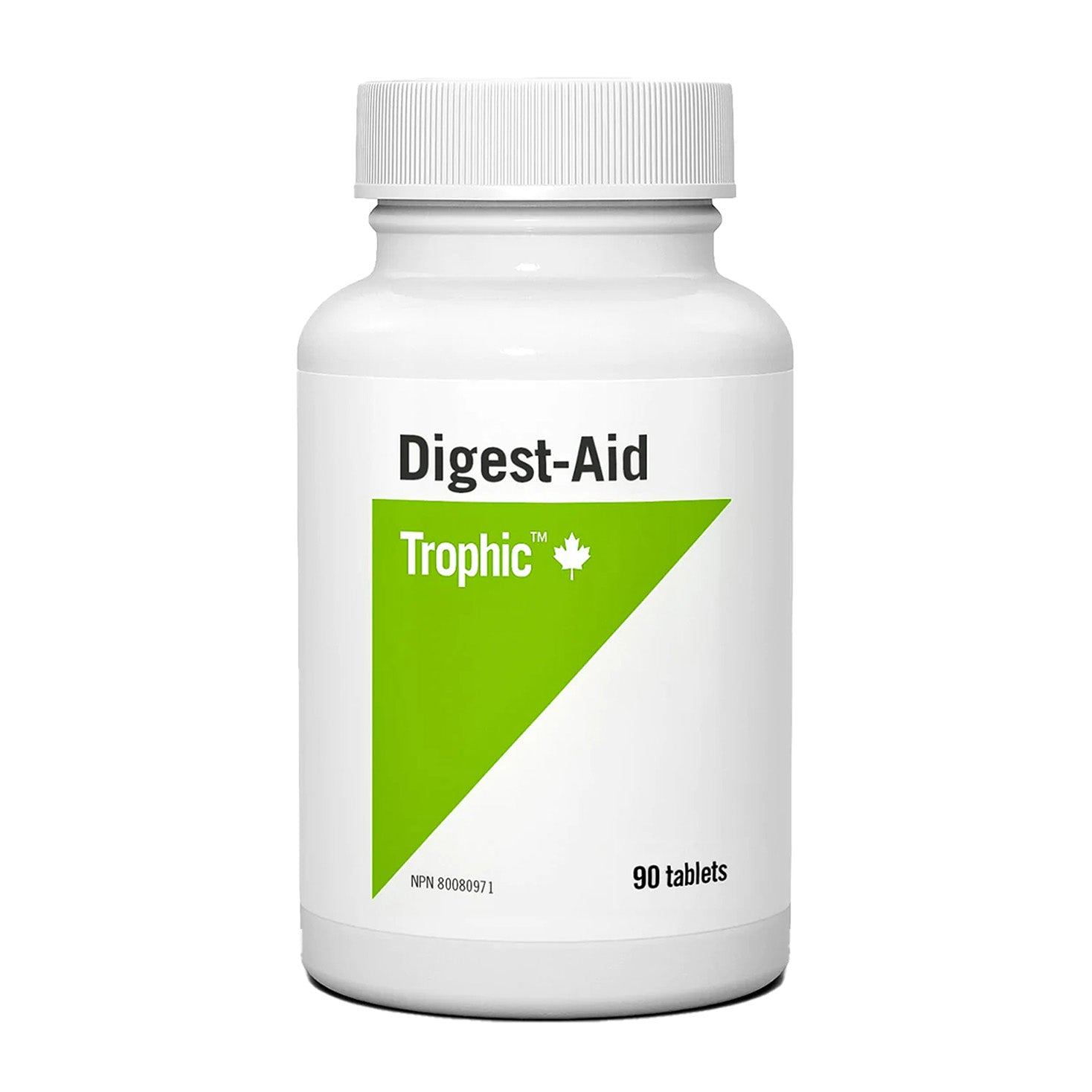
Enzymes
Digestive enzymes are the specialized proteins your body uses to break food down into the smaller building blocks it can absorb. Every time you eat, your mouth, stomach and pancreas release enzymes to get the job done, and a digestive-enzyme supplement simply adds more of these helpers to the meal. They are a popular, food-based way to support comfortable digestion.
Read more
Each enzyme has a specialty. Amylase helps break down starches and other carbohydrates, protease works on proteins, and lipase handles fats. Lactase focuses on the natural sugar in dairy, and alpha-galactosidase targets the complex carbohydrates found in beans, lentils and cruciferous vegetables. Many formulas combine several of these so one capsule can help with a full plate.
People reach for digestive enzymes for a handful of familiar reasons. A rich restaurant meal, a big holiday dinner or an unfamiliar cuisine can leave the stomach feeling heavy, and enzymes are a gentle way to help the body do its work. Some shoppers also notice that digestion feels a little slower as the years go by, and they like keeping a bottle on hand for larger meals. Others simply appreciate a little support when eating richer or heavier foods than they are used to, or when settling into a new eating routine while travelling.
At greenrx.ca you will find two broad approaches. Broad-spectrum blends bring together a full team of enzymes for everyday, all-purpose support, making them a sensible starting point for most people. Targeted formulas zero in on one job — a lactase-only product for dairy, or an alpha-galactosidase product for bean-heavy meals — for shoppers who know exactly what they are after.
Timing is the main thing to get right. Digestive enzymes are generally taken with food, right as a meal begins, so they are on hand while you eat rather than afterward. Follow the directions on your chosen formula, store the bottle in a cool, dry spot away from heat and humidity, and keep the lid closed tight. As with any supplement, speak with your health-care practitioner before adding it to your routine.
Frequently asked questions
What do digestive enzymes do?
Digestive enzymes help the body break food down into smaller pieces it can absorb. Different enzymes handle different foods: amylase for carbohydrates, protease for proteins, lipase for fats, and lactase for the natural sugar in dairy.
When should I take a digestive enzyme?
Digestive enzymes are usually taken with food, right as a meal begins, so they are on hand while you eat. Follow the directions on your chosen product for the best results.
What is the difference between broad-spectrum and targeted enzymes?
Broad-spectrum blends include a range of enzymes for everyday, all-purpose support. Targeted formulas focus on one enzyme, such as lactase for dairy or alpha-galactosidase for beans, for a specific need.
Can I take digestive enzymes with probiotics?
Many people use both as part of a gut-friendly routine, since they play different roles. Enzymes help break foods down, while probiotics support the flora that live in the gut. Ask your health-care practitioner about combining supplements.
Are digestive enzymes vegetarian?
It varies by product. Many enzyme blends are derived from plant or microbial sources and are suitable for vegetarians, while others use animal-sourced enzymes. Check the label if this matters to you.
Related: Digestive Health · Probiotics · Fibre