Whey Protein
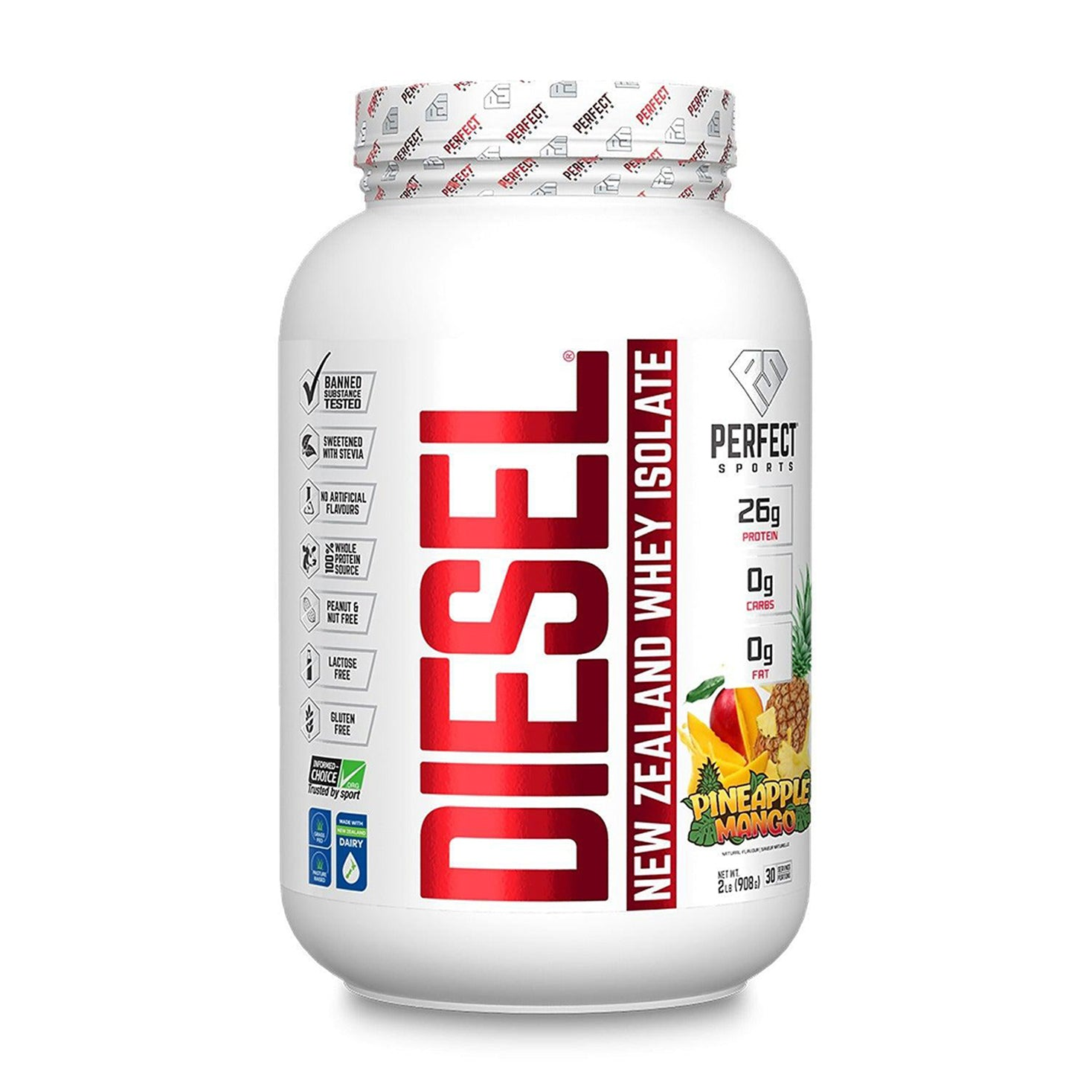
Whey protein is the classic milk-derived protein — the original protein powder, and still the most-shopped option on the shelf. When milk is made into cheese, whey is the liquid portion that separates out; dried into a powder, it becomes the familiar shake mix that generations of athletes and everyday gym-goers have relied on. Its enduring popularity is easy to understand: it mixes well, tastes good and fits almost any routine.
Read more
A big reason whey stays a favourite is its complete amino-acid profile — it naturally contains the full range of amino acids your body uses. It is a source of protein that helps build and repair body tissues, and it assists in building lean muscle when combined with regular training. That pairing of everyday nutrition and training support is why whey sits at the centre of so many shoppers' routines.
On the label you will see two main styles: concentrate and isolate. At a high level, concentrate is the everyday, budget-friendly workhorse that keeps more of whey's natural components, while isolate is filtered further for a leaner, lighter profile — it has its own page if you want the full picture. You may also see "grass-fed," which describes the cows' diet, and "cross-flow filtered" or "microfiltered," which describe a gentle filtering method that protects the protein. These are label vocabulary, not marks of quality, so read them as descriptions rather than promises.
In the kitchen, whey is wonderfully flexible. The obvious use is a shake with water or milk, but it also stirs into oats, blends into smoothies and bakes into muffins, pancakes and protein cookies. For a lump-free shake, add liquid first and shake well; for baking, whey concentrate tends to stay moist and tender. Vanilla and chocolate are the versatile flavours most bakers keep on hand.
When choosing, decide between concentrate and isolate, pick a flavour you will actually enjoy, and store your tub sealed in a cool, dry cupboard. As with any supplement, speak with your health-care practitioner before adding it to your routine.
Protein Powder
The protein-powder wall can feel overwhelming, but a label reads in just a few steps. First, find the protein source — whey concentrate, whey isolate, a plant blend or a mix. Next, check the sweetener: options range from unsweetened to naturally sweetened to more heavily flavoured. Then consider the serving style — a simple shaker tub, single-serve sachets or a larger value size. Flavour and texture come last, and they are personal, so a smaller tub is a smart way to test-drive one before committing to a big container. Whatever you choose, add liquid to your shaker first, then the powder, for the smoothest mix.
How do I read a protein-powder label?
Start with the protein source, then the sweetener, then the serving style, and finish with flavour and texture. Working through those in order makes it easy to compare tubs side by side and pick the one that fits your routine.
Protein Bars
Protein bars are the grab-and-go answer for protein between meals — handy in a gym bag, a desk drawer or the car. When you read a bar label, start with the protein source (whey, milk blend or plant), since that shapes the taste and chew. Then look at the sugar side described in plain terms: some bars lean sweet and dessert-like, others stay lower in sugar with a firmer, less candy-like texture. Finally, think about how you will use it — a soft, sweeter bar suits an indulgence, while a plainer one works better as a steady between-meal option. Keep a couple of styles on hand for different moods.
What should I look for on a protein bar label?
Check the protein source first, then the sugar content in general terms — sweeter and dessert-like versus lower-sugar and firmer. Matching those to how you will use the bar, as an occasional indulgence or a between-meal staple, makes choosing simple.
Frequently asked questions
What is whey protein made from?
Whey is the liquid portion of milk that separates out during cheese-making. Dried into a powder, it becomes the familiar protein shake mix. It naturally offers a complete amino-acid profile, which is part of why it is so widely used.
What is the difference between whey concentrate and isolate?
Concentrate is the everyday form that keeps more of whey's natural components, while isolate is filtered further for a leaner, lighter profile. Isolate has its own page if you would like a closer look; many shoppers happily use either.
What does "grass-fed" whey mean?
It describes the diet of the cows the milk came from. It is label vocabulary that some shoppers look for as a preference, rather than a measure of protein quality. Read it as a description, not a promise.
Can I bake with whey protein?
Yes. Whey stirs into oats and blends into smoothies, and concentrate in particular bakes nicely into muffins, pancakes and cookies. Vanilla and chocolate are the most versatile flavours for the kitchen.
Who tends to choose whey?
Whey is popular with almost everyone who wants a convenient, complete protein — from athletes building lean muscle with training to busy people topping up their daily protein. Those avoiding dairy usually look to plant-based options instead.
Related: Protein Isolate · Plant-Based Protein · Creatine · Pre-Workout & Performance