
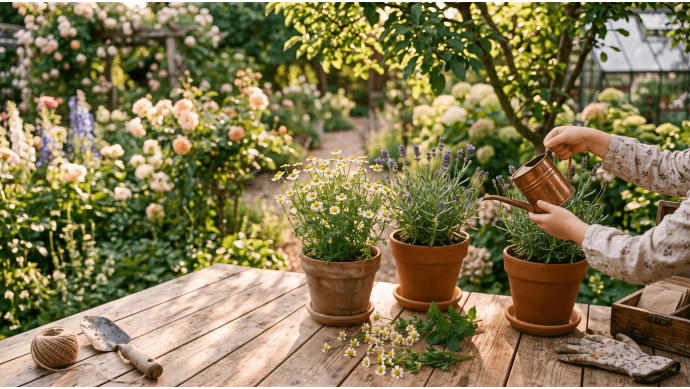
Introducing children to the healing power of plants is one of the most meaningful wellness gifts a family can give. And it doesn't require a medicine cabinet — it starts in the garden.
Start at the Source
Sure, effective herbs can be bought at the store, but sensory learning really begins when kids grow or gather the plants themselves. In the yard or a window box, culinary herbs like oregano and peppermint give off tell-tale aromas when rubbed between little thumbs and fingers.
Children will be proud to create garden markers or snip the right species for tea or a savoury dish. Reinforce this hands-on experience with sensory descriptors like "spicy" or "aromatic" that suit the herbs and hint at their therapeutic properties.
Wild foraging is another way to collect medicinal plant material but must be restricted to species we can identify with absolute certainty. Still, we have to remember that many herbs considered beneficial for adults aren't recommended for children — another reason to stick to the gentle effectiveness of kitchen herbs.
Tea Time
With herbs on hand, how do we turn them into medicine that kids will actually consume? The potency of a tincture isn't likely to win over young taste buds, but teas and honeys might.
Children can crush, tear, or chop the plant material, committing the look, feel, and smell to memory. Try turning tea-making into a visual delight by using a glass pot through which they can watch the herbs release their essence and flavour.
Chamomile is a favourite, both for its relaxing qualities and because it pairs well with milk or cream, creating a bloom of white when added to the transparent vessel.
So Sweet
Honey also makes an excellent vehicle for medicine. Kids can help fill a jar with antimicrobial and immune-boosting garlic cloves, then cover them with honey and wait for the whole thing to transform into a medicinal syrup with "candied" cloves. Similarly, they can infuse honey with fennel and thyme to have on hand as a cough remedy.
Note: Honey is not recommended for children younger than one year.
Four Seasons
Your little ones can access dried or otherwise preserved summer herbs year-round, or they can stretch the season by having an indoor windowsill garden. Many plants can still be identified in their dormant state or by their dead stalks over winter.
Kid-Friendly Medicinal Herbs
These familiar culinary herbs can double as safe and gentle kids' medicine. Always consult a healthcare professional before introducing herbal remedies to children.
| Herb | Potential Benefits | Suggested Use |
|---|---|---|
| Lavender | Calming, antimicrobial | Essential oil in a diffuser, part of a tea blend |
| Peppermint | Aids digestion, nausea, and congestion | Tea, essential oil in a diffuser (not for kids under 30 months) |
| Fennel | May help soothe gastrointestinal upset and cough | Tea — seeds or leaves (use caution in infants) |
| Thyme | Cough suppression | Tea, honey, or prepared cough remedy |
| Chamomile | Calming, aids sleep | Tea, diluted essential oil (topical) |
| Rosemary | May enhance working memory | Essential oil in a diffuser |
By Jackie Skrypnek
Disclaimer: This article is intended for informational purposes only and does not constitute medical advice. Always consult a qualified healthcare professional before introducing herbal remedies to children. Some herbs safe for adults are not appropriate for children, and age-specific considerations apply. Honey should not be given to children under one year of age.