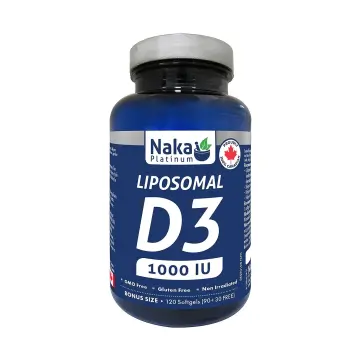
Vitamin D3
Vitamin D3, also called cholecalciferol, is the form of vitamin D your skin makes when it meets sunlight — which is exactly why it's nicknamed the "sunshine vitamin." It's one of the most popular supplements we stock, and in Canada that popularity makes a lot of sense. When daylight is in short supply, a simple daily D3 is one of the easiest ways to keep your intake where you want it.
Read more
Between fall and spring, sunlight across southern Ontario sits low and brief, and most of us spend those months bundled up and indoors. With less skin meeting fewer rays, many Canadians choose to add a daily D3 to their routine so they can keep their intake steady all year long. Because the body can store vitamin D, keeping that daily intake consistent through the darker months is a practical way to carry your levels across the whole season. It's a simple, everyday habit that fits neatly alongside breakfast or a morning coffee.
So what does it actually do? Vitamin D helps in the development and maintenance of bones and teeth, and it helps the body absorb and use calcium and phosphorus — two minerals your skeleton relies on. It also helps maintain immune function as part of a balanced routine. Together, those roles make vitamin D one of the everyday essentials people like to keep topped up, which is why D3 shows up in so many Canadian cupboards, from young families to active older adults.
You'll see two forms on the shelf: D3 (cholecalciferol) and D2 (ergocalciferol). D3 is the same form your body produces from sunlight and is the one most shoppers reach for. D2 is plant- or fungus-derived and still widely used. If you follow a vegan diet and want D3 specifically, look for D3 sourced from lichen — a plant-based option that has made this form accessible to everyone.
We carry vitamin D3 in several formats so you can pick what suits you: easy-swallow softgels, liquid drops that are handy for kids or anyone who skips pills, quick sprays, and simple tablets. Drops and softgels are often paired with a carrier oil, since D3 is fat-soluble and absorbs best with a little fat. Store your bottle somewhere cool and dry, away from direct light, and keep the cap sealed. As with any supplement, speak with your health-care practitioner before adding it to your routine.
Frequently asked questions
What is the difference between vitamin D3 and D2?
D3 (cholecalciferol) is the same form your skin makes from sunlight, while D2 (ergocalciferol) comes from plant or fungal sources. Most shoppers choose D3, and it's the form we stock most widely. Both contribute vitamin D to your daily intake.
Why do so many Canadians take vitamin D in winter?
From late fall through early spring, southern-Ontario daylight is short and we're mostly indoors and covered up. With less skin exposed to sunlight, many people add a daily D3 to keep their intake consistent. It's an easy year-round habit.
Is there a vegan vitamin D3?
Yes. Look for D3 sourced from lichen, a plant-based option that delivers the D3 form without animal ingredients. We carry vegan-friendly drops and softgels. Check the label for a lichen or "vegan" note.
What format of vitamin D3 should I choose?
It comes down to preference. Softgels and tablets are tidy and travel well, drops and sprays suit kids or anyone who'd rather not swallow a pill, and liquids let you adjust easily. All deliver the same D3.
How should I store vitamin D3?
Keep the bottle in a cool, dry spot away from direct light and heat, and close the cap firmly after each use. Liquids and softgels last best out of humidity. Always check the best-before date on the label.
Related: Vitamin D & K2 · Calcium · Magnesium · Immune Support · Bone & Joint Health