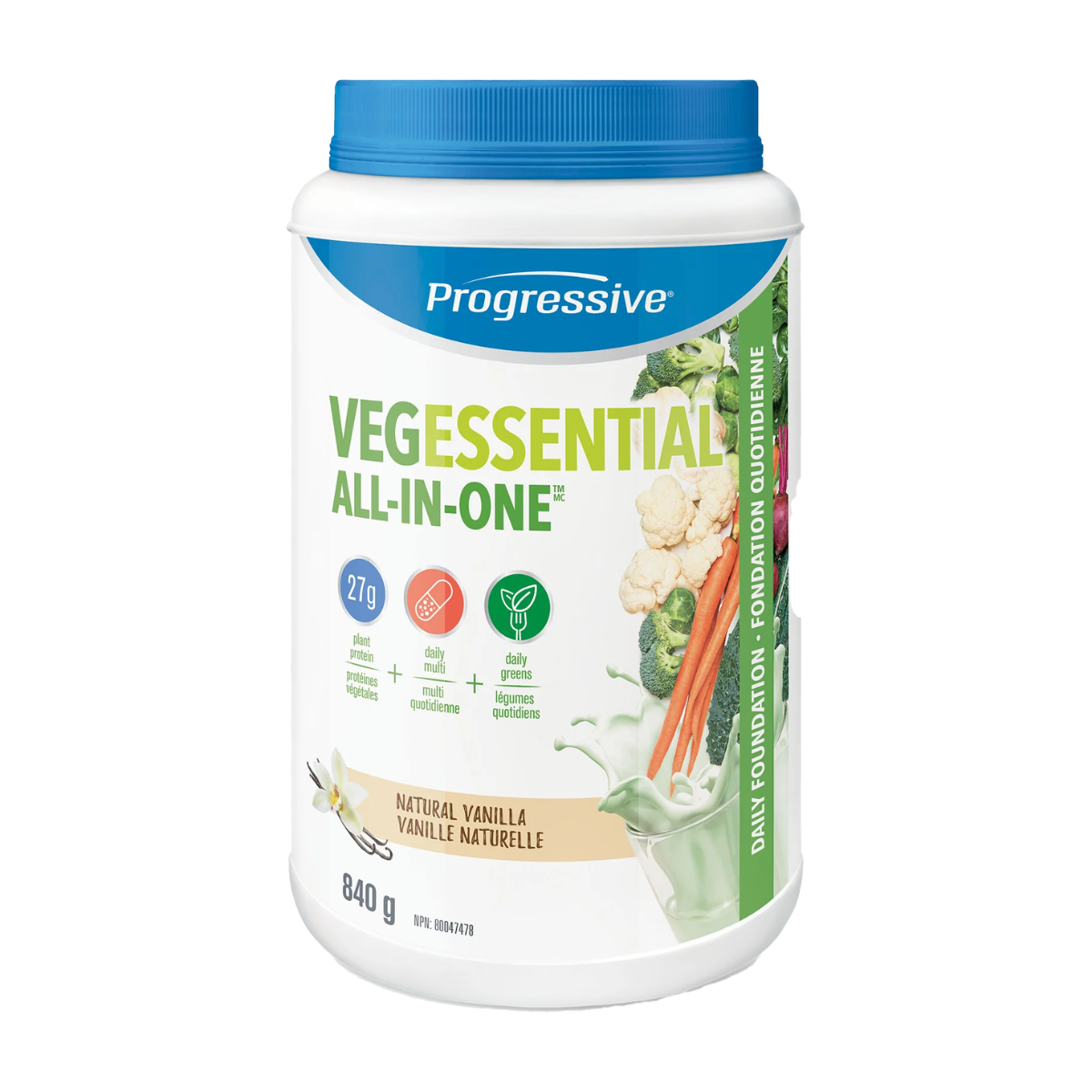
Plant-Based Protein
Plant-based protein powders are built from sources like pea, brown rice, hemp, pumpkin-seed and soy. Because different plants are naturally rich in different amino acids, these proteins are usually blended together — most often pea and rice — so the finished powder delivers a complete amino-acid profile. That blending is the quiet craft behind a good plant protein, and it is why so many options at Greenbrook list more than one source on the label.
Read more
Who shops for plant protein? Plenty of people: vegans and vegetarians building their daily protein, anyone keeping things dairy-free, and flexitarians who simply want to rotate in a plant option a few days a week. It is a source of protein for the maintenance of good health and helps build and repair body tissues, which makes it a versatile everyday choice for training, busy mornings and post-workout shakes alike.
If you last tried plant protein years ago, it is worth another look — texture and flavour have improved enormously. Modern blends mix smoothly and taste clean, especially in a blender with fruit, nut butter or a frozen banana. For the smoothest result, add your liquid first, then the powder, and blend or shake well; a splash more liquid loosens a thick shake. Chilled water, oat or soy beverage all work nicely.
On the flavour question, you will see both unsweetened and flavoured versions. Unsweetened powders are the flexible pick for cooking, baking and custom smoothies, while flavoured options — vanilla, chocolate, berry — are ready to drink with just water. Many shoppers keep an unsweetened tub for recipes and a flavoured one for quick shakes.
One point of local pride: a good share of the pea protein on our shelves is grown right here in Canada, where yellow field peas are a major crop. When choosing, match the source and flavour to how you will use it, and store powders sealed in a cool, dry spot. As with any supplement, speak with your health-care practitioner before adding it to your routine.
Fermented Plant Protein
A growing trend on the plant-protein wall is fermentation. Here, the protein source is cultured with beneficial microbes before it is dried into powder — the same age-old technique behind foods like tempeh, miso and sourdough. Many shoppers find fermented plant proteins especially agreeable and easy to enjoy day to day, and they like that fermentation is a traditional, time-honoured processing step rather than a modern chemical one. On the label, look for words like "fermented," "cultured" or a named culture alongside the plant source. Fermented options sit right beside standard blends at Greenbrook, so you can compare the two and see which texture and taste you prefer.
What does "fermented" mean on a plant protein label?
It means the plant source was cultured with beneficial microbes — the same traditional step used to make foods like tempeh and miso — before being dried into powder. Many shoppers choose it because they find fermented proteins agreeable and easy to enjoy every day.
Frequently asked questions
Is plant-based protein a complete protein?
On its own, a single plant source may be lower in one or two amino acids, which is why most powders blend sources like pea and rice together. A well-formulated blend delivers a complete amino-acid profile, giving you the full range your body uses.
Who tends to choose plant-based protein?
Vegans, vegetarians and anyone eating dairy-free are natural fits, along with flexitarians who like to rotate in a plant option. Plenty of shoppers simply prefer the taste or the lighter feel of a plant powder.
Does plant protein still taste chalky?
Not the way it once did. Texture and flavour have improved dramatically, and modern blends mix smoothly — especially in a blender with fruit or nut butter. Adding liquid first, then powder, gives the cleanest result.
Unsweetened or flavoured — which should I get?
Unsweetened is the flexible choice for baking, cooking and custom smoothies, while flavoured powders are ready to drink with just water. Many people keep one of each on hand.
What can I make with plant protein besides shakes?
It blends easily into smoothies, oats, pancakes, energy balls and baked goods. An unsweetened tub is the most versatile for cooking, since it will not add sweetness to savoury or lightly sweet recipes.
Related: Whey Protein · Protein Isolate · Pre-Workout & Performance · Creatine · Amino Acids
More to explore