
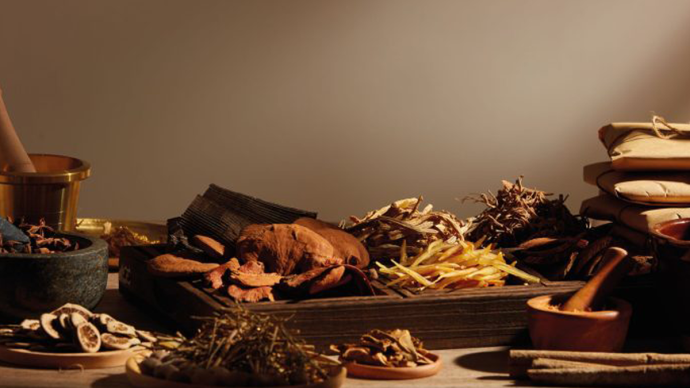
Around the world, traditional medicine has been used for centuries to promote health, prevent disease, and restore balance. Today, more people than ever are looking to bridge the gap between conventional and traditional medicine — and for good reason. These time-honoured practices offer a holistic, personalized approach to wellness that modern medicine is only beginning to fully appreciate.
Traditional Medicine Practices Worldwide
Traditional Chinese Medicine
Traditional Chinese Medicine (TCM) revolves around qi, a concept in Chinese culture describing the energy that flows through everything. An imbalance of qi can cause disease. The ancient Chinese believed that good health comes down to achieving an equilibrium between your internal organs and natural surroundings. Acupuncture, tai chi, and cupping therapy are all TCM modalities.
Traditional Indian Medicine
In India, traditional medicine is divided into three categories: Ayurveda, Siddha, and Unani. Ayurveda, the most used, is a holistic, personalized system aimed at promoting longevity. As in TCM, Indian medicine is centred on balancing bodily organs and external elements.
Traditional Indigenous Medicine
For centuries, Indigenous populations in North America have practised their own traditional forms of wellness through ceremonies; plant, animal, or mineral-based medicines; energetic therapies; and physical or hands-on techniques, all of which rely upon an emphasis on Mother Earth.
Traditional African Medicine
Traditional African medicine is deeply rooted in the spiritual, with many practitioners using divination to connect with the gods and ancestral spirits for diagnosis before treatment with herbal medicines.
How Is Traditional Medicine Different?
Traditional medicine is often treated as pre-scientific, but a lot of conventional medicines come from plants. For example, aspirin was derived from the bark of a willow tree and morphine is extracted from the opium poppy, while vincristine — long used in chemotherapy treatments — was isolated in 1961 from a Madagascar periwinkle flower.
Benefits of Traditional Medicine
One of the key benefits of traditional and alternative medicine is its holistic approach to health. Alternative medicine practitioners often spend over an hour with a patient each session, addressing a myriad of different concerns.
Complementary and Alternative Medicines
Many herbs and botanicals used in traditional medicine are now widely available as natural health supplements. Here is a look at some of the most common and their traditional uses:
| Herb | Traditional Uses |
|---|---|
| Garlic | May help reduce inflammation, cholesterol, blood pressure, and blood sugar levels; may help support immunity |
| Ginger | May help treat nausea, heartburn, and bloating; may help reduce inflammation |
| Elderflower | Used to help treat colds, flu, and constipation; may help lower blood pressure |
| Ginseng | May boost energy and sex drive |
| Shea Butter | Anti-inflammatory; protects skin cells; used to treat skin conditions and eczema |
| Ashwagandha | May reduce inflammation, pain, and anxiety |
| Cumin | May help reduce cholesterol; may help maintain healthy blood sugar levels |
| Turmeric | May help treat arthritis pain, anxiety, and inflammation |
| Cardamom | May help treat nausea; may help reduce blood pressure, blood sugar, and inflammation |
| Echinacea | May help treat colds, flus, infections, and wounds |
Disclaimer: This article is intended for informational purposes only and does not constitute medical advice. The traditional uses listed above are not intended to diagnose, treat, cure, or prevent any disease. Always consult a qualified healthcare professional before starting any new supplement or wellness practice.